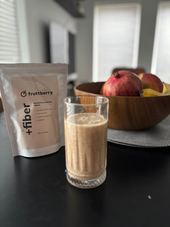

As autumn arrives, there's more and more talk about "boosting immunity," vitamins, and food supplements. But everyday wellbeing and normal immune system function don't depend on a single product or nutrient.
Varied nutrition, sleep, physical activity, and other lifestyle factors all matter. Healthy lifestyle and nutrition specialist Gretė Brokienė shares her insights.
A holistic approach matters
While nutrition is an important part of everyday life, G. Brokienė stresses that you shouldn't look for a single solution to solve every health question.
"I always say there's no single cure-all. There's no one thing that heals every illness and lets you feel great all the time. You need to look at the whole picture. And while nutrition has a huge influence on our immunity, we shouldn't forget the other connections. Sleep hygiene, stress management, and physical activity matter just as much as proper nutrition, and genetics, heredity, and health history also play a big role. It's like a puzzle, where every piece affects how strong our immunity is," says the nutrition specialist.
The specialist also points out that it's worth taking care of your health continuously, not just once the cold season begins.
"The phrase 'boosting immunity' itself is very trendy, a favorite among marketers, and it gets used a lot. But it's important to understand that you can't just boost your immunity in a single day. No miracle happens that fast. Even among my own clients, I notice this trend, or even habit, of taking vitamin D in autumn and winter, stocking up on all kinds of supplements, and thinking that's how you boost immunity. That's the wrong approach. What we need isn't so much to boost immunity as to look after it continuously, to take care of our health and our body. And as I mentioned, that's a complex matter that includes nutrition, quality sleep, and physical activity," says G. Brokienė.
Vitamin D: when is it worth checking?
In the colder months, more attention is often given to vitamin D. But fatigue, drowsiness, or getting sick more often aren't specific enough signs to diagnose a vitamin D deficiency on your own.
G. Brokienė highlights the importance of vitamin D:
"More frequent illness in autumn is often linked to vitamin D deficiency. People in Lithuania are deficient year-round, but that deficit becomes significantly greater during the cold season. This vitamin has a major influence on our immune system's condition. Of course, nutrition also plays a role. Most people tend to eat vegetables, fruits, and berries seasonally, when they're fresh, and then somehow forget about them in autumn and winter," notes the nutrition specialist.
It's important to distinguish between the opinions the specialist shared in this interview and individual medical advice. If you have questions about your vitamin D levels, taking supplements, or a possible deficiency, it's worth talking to a doctor or another healthcare professional.
Don't forget fruits, berries, and vegetables
Your diet doesn't have to become less varied in autumn and winter. Fresh seasonal produce can be combined with frozen vegetables, fruits, and berries.
G. Brokienė recommends making the most of seasonal variety:
"Let's appreciate what Mother Nature gives us. We have our wonderful Lithuanian strawberries, tomatoes, which are a great source of antioxidants. Wild strawberries or blueberries, rich in iron. Right now apple season is just starting. Let's make use of what we have in season, and remember to freeze some for later. Frozen fruits, vegetables, and berries don't lose their value or their nutrients. Fill your plate with as many colors as possible — every day it should have a full rainbow on it," advises G. Brokienė.
In practice, it's worth choosing a variety of plant-based products in different types and colors, rather than searching for a single "superfood."
What role do fibers play in autumn nutrition?
Vegetables, fruits, and berries are also sources of fiber. Fiber can also be found in legumes, whole grain products, nuts, and seeds.
So even in the colder months, it's worth taking care to keep your plant-based food varied.
It's best to increase your fiber intake gradually and drink enough fluids along with it.
Read more about the types of fiber, their sources, and how to use them in our Fiber Guide.
How to adapt to a fast-paced life?
Everyday nutrition doesn't have to be complicated. You can plan a few main meals in advance and keep frozen vegetables and berries, legumes, whole grain products, and other easy-to-prepare foods at home.
G. Brokienė emphasizes that taking care of yourself also means considering today's pace of life:
"Most of the people who come to me are city dwellers who are always rushing, always running, surrounded by projects, work, family, maybe kids. It's an incredibly dynamic, fast pace of life. And I always encourage people to accept the fact that things won't go back to how they were, we won't experience a different way of life again. So we need to learn to take care of ourselves within all this pressure and rush, to tame that dynamic and make it work in our favor. That's our new mission. Not forgetting our body, not forgetting our emotional health, and the same goes for our immunity," advises G. Brokienė.
What's most important to remember?
In autumn, there's no need to look for a single product or supplement that "boosts immunity." It's far more meaningful to consistently take care of varied nutrition, sleep, physical activity, and other everyday habits.
Vegetables, fruits, berries, legumes, whole grain products, nuts, and seeds can help you keep your diet varied even in the colder months.
If you have questions about your need for vitamins or other food supplements, especially if you suspect a deficiency, it's best to follow the individual recommendation of a healthcare professional.