
Did you know that cholesterol is like a quiet friend to our body — it's necessary for feeling good, but it causes trouble when there's too much of it? For many people, the word brings to mind risk and health problems, but in reality, cholesterol is essential for every cell in our body. It's like a coin with two sides — one side helps produce hormones vital to life, while the other can harm your health if you lose control of it. So how do you keep that balance? How can you normalize your blood cholesterol levels through diet and other measures? Family doctor Agnė Misiūtė from the ID CLINIC medical center answers these and other questions.
Vital, but it can become dangerous
Cholesterol is a companion to our body that performs many vital functions, but it can also become the cause of serious health problems if its levels rise above normal. According to Dr. Misiūtė, cholesterol is necessary and important for things like vitamin D synthesis, brain function and hormone production. But as the doctor warns, it can also become an enemy to your health.
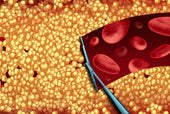
"Most people know the word 'cholesterol' almost like a swear word. But it's a fat that all of us need, and it's important for many processes happening in the body. Cholesterol is essential for vitamin D synthesis, bile acid metabolism, brain function and, of course, hormone production. The biggest issue with cholesterol is that it tends to build up, which is why many people have more of it in their blood than is considered normal. The problem starts when it begins to build up in the walls of blood vessels. That's when we start to see cardiovascular disease, and complications like strokes, heart attacks and so on. But the real root of all these problems isn't simply that cholesterol is circulating in our blood — it's that inflammatory processes begin in the vessel walls. That's when the endothelium, the inner surface of the blood vessels, becomes damaged, and low-density lipoproteins start narrowing the vessel opening," says the ID CLINIC family doctor.
Poor diet has the biggest impact
According to Dr. Misiūtė, one of the main reasons cholesterol levels can rise is poor diet. She says trans fats, which we get from various convenience foods, cause a lot of the trouble.
"One of the biggest factors driving up cholesterol levels is a poor diet. The biggest problems come from trans fats, also known as processed fats. They're used in convenience foods — which are full of palm oil, palm kernel oil and other compounds that aren't natural for the human body. Of course, eating too many sugary foods isn't good either. It's best not to eat too many fast carbohydrates, which cause a sudden spike in blood sugar, or too many sweets, desserts and pastries, which we love to enjoy with a cup of coffee or during celebrations. Sugar levels can also be raised by foods that aren't sweet themselves, such as the sugar hidden in sauces like ketchup or mayonnaise. Another reason cholesterol rises is stress. During stress, our hormonal system kicks into 'fight' mode — the body gets ready to face a serious challenge, and that takes energy. So what does our body do? It releases sugar reserves into our bloodstream that we don't end up using. And from that unused sugar, it creates molecules that build up on our thighs, belly and waist, and in the worst case, on the walls of our blood vessels," says Dr. Misiūtė, sharing the causes behind rising cholesterol.
The doctor also adds that genetics play a role in cholesterol levels too, but, as she notes, a genetic predisposition is no excuse — someone with a genetic tendency should take even better care of their health.
"People sometimes tend to blame all their cholesterol issues on genetics. They say, 'everyone in my family has high cholesterol.' Yes, that does play a role, but it's not a reason to stop trying and just live however, simply because there's a genetic tendency toward high cholesterol. If anything, that person should take even better care of their overall health," says the doctor from the ID CLINIC medical center.
Some fruits are best treated like dessert
For those looking to successfully manage their blood cholesterol levels, Dr. Misiūtė recommends adding more fruits, vegetables, berries and omega-3-rich foods to your everyday diet.
"'Bad' cholesterol is lowered by omega-3s, which means you should eat more fish. People's LDL (low-density lipoprotein) levels often rise too, and the best way to lower that is with fiber — both soluble and insoluble. Insoluble fiber generally helps the digestive system remove unwanted substances, while soluble fiber binds excess insulin and cholesterol. Adding fruits, vegetables and berries to your diet also helps a lot. When it comes to berries, it's worth paying special attention to blue-colored berries, since they're very rich in antioxidants and polyphenols," says Dr. Misiūtė.
That said, the family doctor adds that certain fruits are best treated like dessert, since they cause a very quick spike in blood sugar.
"Sweet fruits like bananas, mangoes and grapes cause a very sharp spike in blood sugar, so it's best to treat foods like these as a dessert. You can definitely still eat them, and you really should include them in your diet, since they're rich in vitamins — but no matter how beneficial they are, it's best to eat them after your main meal, so that sugar spike isn't as sudden," advises the doctor at ID CLINIC.
When it comes to vegetables, Dr. Misiūtė stresses that which ones you eat matters far less than how they're prepared.
"It doesn't matter which vegetable it is — what matters is how it's prepared. If it's overcooked, overstewed, turned to mush, with barely anything left of it, then there's not much left of its beneficial nutrients either. Yes, there will still be some fiber, but the vitamins and minerals will already have broken down. So if you're boiling carrots, sweet potatoes or other vegetables — don't overcook them, since that significantly lowers their nutritional and energy value. I'd also really encourage people to eat what grows locally, in our own gardens, things that don't need a lot of chemicals to survive the journey to Lithuania. The same apple from our own orchard will be far better and more beneficial than the sweetest, tastiest mango flown in from Mexico," shares the family doctor.
Fiber-rich foods should be part of your diet
The specialist notes that it's very helpful to follow the "eat the rainbow" principle — meaning your plate should include as many different colors as possible.
"Fiber is very important for gut function, and helps remove accumulated toxins and excess sugar and cholesterol. So when someone skips vegetables, fruits and berries, they're taking away their own chance to feel good and be healthy. We should naturally get fiber through our food — ideally, everyone's plate would have a colorful rainbow on it. It should include every color: red tomatoes, orange sweet potatoes or carrots, yellow corn, and so on. When we get enough colors, we also get enough fiber. We should be eating fiber-rich foods at least five times a day. That's actually quite a lot, and not everyone manages that, which is part of why we see digestive imbalance, high cholesterol, blood sugar issues and obesity," says Dr. Misiūtė.
If you're not getting enough fiber from food, it's easy to make up the gap. There are plenty of fiber options on the market, including specialized fruttberry fiber blends. The natural ingredients they contain — psyllium husk and agave inulin — contribute to maintaining normal blood sugar and cholesterol concentrations. Products like these are a convenient choice for people who find it hard to eat the recommended amount of fruits, vegetables and other fiber-rich foods.
Physical activity matters too
Dr. Misiūtė emphasizes that to effectively manage cholesterol levels, it's important not just to eat well, but also to keep other healthy lifestyle factors in mind.
"To maintain a normal cholesterol level in the body, it's important to understand that the whole picture matters. Quality sleep, physical activity and staying hydrated are all essential. But if we were to break it down into steps, it's best to start with what's easiest to put into practice. First of all, you should drink enough water during the day. That way, you won't feel that intense hunger, since sometimes what feels like hunger is really just a lack of water. How do you know how much water you need per day? Just multiply 30 ml by your body weight in kilograms. Second — no matter what you're eating, I'd really recommend adding a plate of salad to your meal. If that salad also has some apple cider vinegar on it, that's an even bigger plus. Third — if you've eaten a very heavy meal, or maybe had something not so beneficial and you're wondering what you can do to help your body out, go for a walk, get your leg muscles moving. Physical activity can be as simple as walking three laps around your house — having a dog can help a lot of people with that too. And finally, one more step you could add to these three: I'd recommend including omega-3 supplements and fiber-rich foods — vegetables, fruits, berries — in your diet. If you put all these points into practice, you can expect to successfully lower your cholesterol levels," summarizes family doctor A. Misiūtė.