
When we think about healthy eating, we usually focus on vitamins, minerals, or getting enough protein. But one of the biggest keys to feeling good actually hides in simple, everyday choices. Fiber is like the invisible hero of our diet — something we usually only think about when we want to lose a few kilos. But fiber is about far more than weight loss: its role is much broader and more important than it might seem at first glance. Fiber quietly does its job every day, and it can determine whether we feel light, energetic, and ready for whatever the day brings. Even more importantly, it's not just adults who need it — fiber is essential from early childhood, because its role in a growing body is far bigger than most people realize.
More important than it looks
Fiber is often called the digestive system's natural brush. As it travels through the digestive tract, it cleans, tidies, and keeps things running smoothly. When we get enough of it, digestion works well, bowel movements become regular, that uncomfortable heavy feeling in the stomach disappears, and the feeling of fullness after eating lasts longer. Fiber also acts as food for the good bacteria that are our immune system's true allies. Without it, the immune system weakens and the body becomes less resistant to illness. So even though fiber might seem insignificant to many people at first, it quietly forms the foundation of our whole health.
"Fiber isn't just important for digestion — it shapes a healthy gut microbiota, which plays a role in immune function, in regulating inflammatory and allergic processes, in supporting cognitive function and psychological wellbeing, and can even influence the course of autoimmune conditions. A healthy microbiota synthesizes certain vitamins and a whole range of bioactive metabolites. Short-chain fatty acids are especially significant — the good bacteria in the gut produce them by fermenting soluble fiber. These substances travel through the bloodstream to various systems in the body and have a meaningful positive effect on how the body functions overall, including internal organ function, metabolism, hormone balance, energy production, and nervous system function. So getting enough fiber every day isn't just linked to preventing and managing chronic conditions in the long run — it also brings everyday benefits: a digestive system that works well, stronger protection against infections, better emotional wellbeing, better sleep quality, and even support for cognitive function," says lifestyle medicine specialist and oncologist Dr. Lina Paulauskienė.
It affects skin health too
As cosmetologist and lifestyle medicine specialist Rasa Rimšė from Effectus Clinic adds, skin health is also directly linked to the microbiota, which matters not only for the gut but for the skin as well. The microbiota regulates skin moisture and pH, reduces inflammatory processes, and strengthens the skin's natural barrier.
"The gut and the skin are closely connected through two-way communication and complex mechanisms, including immune system activity and inflammatory processes. When the natural balance of gut microbiota is disrupted, skin issues such as acne, rosacea, eczema, psoriasis, and other skin conditions can appear or worsen. It's worth emphasizing that a balanced diet has a big influence on gut microbiota health — and, in turn, on the skin. It's a good idea to include fermented foods rich in probiotics in your diet, such as kvass, kefir, sauerkraut or fermented cucumbers, yogurt, and goat's or sheep's cheese," says R. Rimšė.
Fiber — a foundation for growing bodies
It's often assumed that fiber is an adult concern. But it's just as important for children, who often experience digestive discomfort or simply don't get enough fruit, vegetables, and whole-grain foods. Fiber supports smooth digestion and helps prevent constipation, one of the most common childhood health issues. When a child's body gets enough fiber, bloating disappears and the little one feels lighter and more comfortable. Because fiber also feeds the good gut bacteria closely linked to immunity, children who get enough of it tend to get sick less often, recover faster, and have more energy for everyday challenges.
"Fiber is one of the truly important components of nutrition, helping to support good health from an early age. Its meaningful effects matter for adults and children alike. Research shows that getting enough fiber not only supports regular bowel movements and gut health, but also helps regulate cholesterol and blood glucose levels, which can lower the risk of cardiovascular disease, type 2 diabetes, obesity, and other chronic conditions," says lifestyle medicine specialist L. Paulauskienė.
A healthy child is an energetic child
Every parent knows a child needs a lot of energy: focus and memory at nursery or school, stamina and physical strength at training, and endless energy and creativity for play. Children grow fast, and their bodies work in overdrive, so their energy needs are constant. This is exactly where fiber plays a far bigger role than we tend to imagine. It slows down the absorption of carbohydrates, so blood sugar rises and falls more steadily, without sharp spikes or crashes. Instead of a short-lived "sugar rush" from sweets, a child gets a steadier energy source that helps them stay focused in class, stay engaged during training, or simply play happily outside without tiring out.
It also matters that fiber helps ward off constant hunger, which reduces the urge to snack on sweets or fast food. In other words, it builds a solid energy foundation that lets a child grow, learn, and move the way they need to, every single day.
We're only getting about a third of the recommended amount
Fiber needs change depending on age and sex. The World Health Organization (WHO) recommends around 14 grams of fiber per day for the youngest children, aged 1–3. This need grows with age: children aged 4–8 should get around 20 grams, and those aged 9–13 around 25 grams. From age 14, the recommendations start to approach adult levels — girls and women are advised to get around 26 grams a day, while boys and men need as much as around 38 grams a day. It's also worth remembering the recommended 2:1 ratio of insoluble to soluble fiber.
Unfortunately, the reality is that the diets of many children and adults don't provide enough fiber — people typically get almost half of what's recommended. On average, people in Lithuania consume only about a third of the recommended fiber intake. When we don't get enough fiber, we deal with bloating, low energy, tiredness, feeling sluggish, and low mood.
Sources of fiber
To get enough fiber, it's important to include a variety of sources in your diet — grains, legumes, fruit, and, when needed, additional forms of fiber. For breakfast, you might choose whole-grain porridge or sandwiches made with whole-grain bread; for lunch, vegetable soups or legume-based dishes; and for snacks, fruit or nuts.
"We can only get fiber from whole, plant-based foods — vegetables, nuts, seeds, legumes, whole-grain products, fruit, and berries. Animal-based foods contain no fiber at all, and highly processed plant foods have very little left. I recommend including vegetables in every meal, eating a few pieces of fruit or a handful of berries daily, choosing nuts for snacks, sprinkling seeds on your meals, choosing whole-grain products over refined ones, and including legumes in your diet at least a few times a week. Simple steps like these, applied consistently, help ensure enough fiber in the diets of both children and adults, and over time become a solid foundation for health," says Dr. L. Paulauskienė.
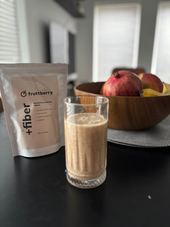
It's worth remembering that fiber from food should always come first, but sometimes — especially with picky little eaters — hitting the daily fiber target can be a real challenge. That's where fruttberry fiber blends can help parents out. They can easily be stirred into yogurt, a smoothie, or even a child's favorite porridge. They don't change the taste, but they give a child's body exactly what it needs — extra fiber that supports energy, a strong immune system, and smooth digestion.
A foundation for everyday health
It's important to build healthy habits from an early age — this way a child grows up not only stronger, but also learns to have a healthy relationship with food, which will support their health for years to come. Making sure a child gets enough fiber from an early age can help avoid many issues later in life, such as obesity, digestive troubles, or heart and metabolic conditions. A simple daily habit — getting enough fiber — can become a priceless investment in a child's health, energy, and wellbeing.